This TP Link AXE5400 review looks at the Archer AXE75, a tri-band Wi-Fi 6E router designed for homes balancing streaming, gaming and multiple connected devices.
Its 6 GHz band and OneMesh support make it worth considering when you want newer wireless capacity with expansion options.
Archer AXE75 Review Summary
The quick verdict
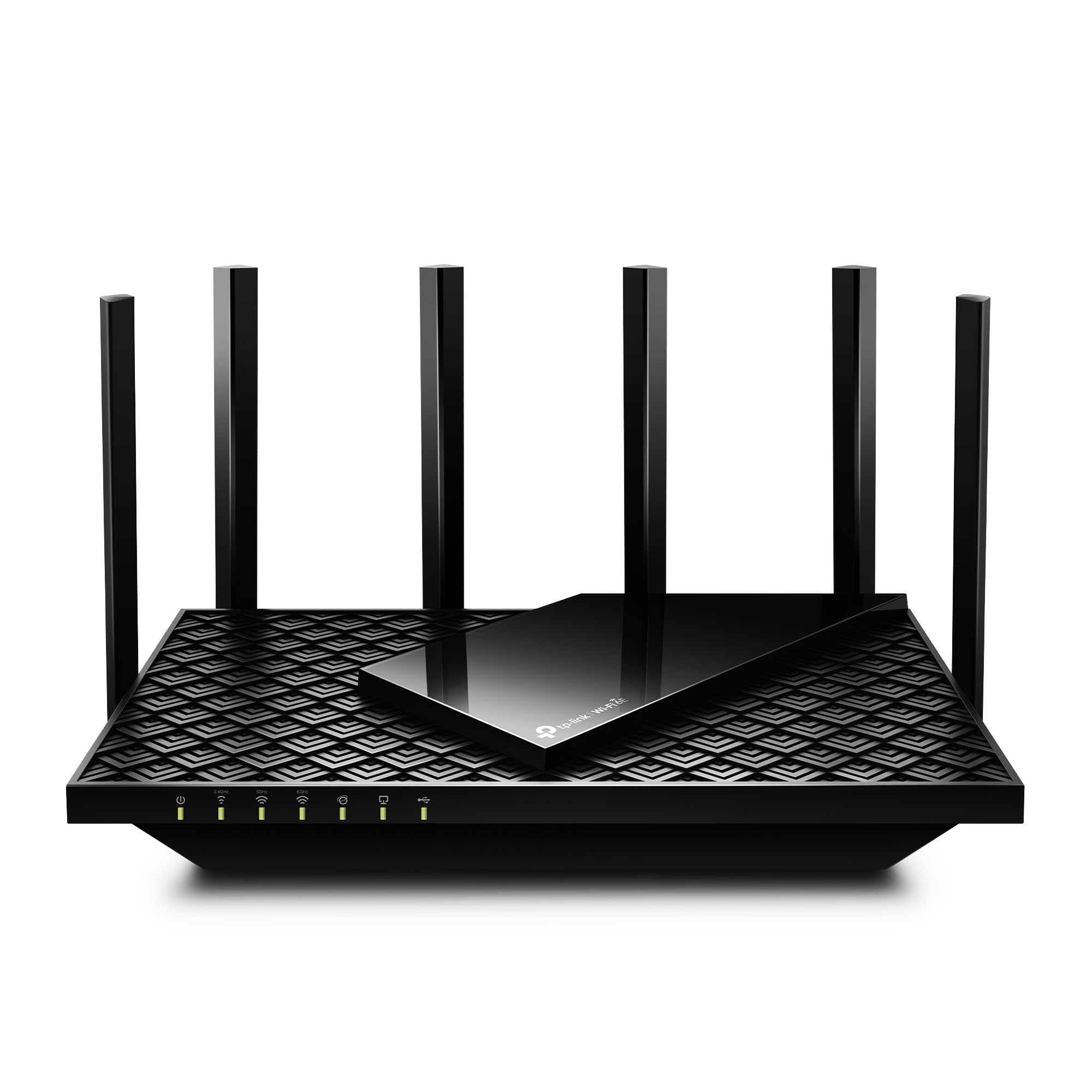
5,000+ ratings
Read Amazon ReviewsTP-Link Archer AXE75
A tri-band router to consider when 6 GHz access, VPN options and room to connect many devices matter more than a newer Wi-Fi generation.
- Tri-band Wi-Fi 6E with 6 GHz, 5 GHz and 2.4 GHz bands; combined Wi-Fi rates are up to 5400 Mbps.
- The 6 GHz band is rated at 2402 Mbps, as is the 5 GHz band; 2.4 GHz is rated at 574 Mbps.
- A 1.0 GHz dual-core CPU and 512 MB of high-speed memory power the router.
- OFDMA and tri-band operation are designed to increase capacity for simultaneous transmission to more devices.

Pros
- Three wireless bands include the newer 6 GHz band for compatible devices.
- Designed for simultaneous device transmission with tri-band and OFDMA technology.
Consider before buying
- Most internet service provider setups require a separate modem, so existing gateway equipment may need to stay in the installation.
- The 6 GHz option is useful only with compatible devices, so check whether your important phones, laptops and consoles can connect on that band.
Read the full review summary
The Archer AXE75 is a fit for households that want three wireless bands, including 6 GHz, alongside features for gaming, streaming and simultaneous device use.
Its advertised aggregate Wi-Fi rate reaches up to 5400 Mbps across the 6 GHz, 5 GHz and 2.4 GHz bands, though that ceiling is a combined band figure rather than a promise that one device will see that speed.
The 6 GHz band brings more bandwidth and faster speeds, and tri-band WiFi with OFDMA increases capacity to handle more devices at once.
VPN server and client support, basic HomeShield security and parental controls, and OneMesh extender compatibility add flexibility. A modem is required for most internet service providers, so plan for one as part of your setup.
The buying factors
Archer AXE75 Scorecard
Editorial scores reflect listed features and buyer fit; they are not laboratory measurements or customer ratings.
Wireless band flexibility
Three bands, including a dedicated 6 GHz option, give compatible devices another wireless band to use; the benefits depend on having devices that support Wi-Fi 6E.
Capacity for multiple devices
Tri-band operation and OFDMA are designed to increase capacity for simultaneous transmission, a relevant feature for busy connected homes.
VPN flexibility
VPN server and client functions cover several common protocols, which gives buyers more network-access options than a basic router setup.
Network management tools
HomeShield includes basic security, parental controls, quality of service and usage reports, providing several practical controls without relying solely on advanced paid features.
Coverage expansion
OneMesh support provides an expansion path when paired with a compatible TP-Link OneMesh extender, but it requires that additional device for mesh coverage.
Setup completeness
The router works with a range of providers, but most setups need a separate modem, so buyers should check their existing equipment before replacing a gateway.
Key Features and Specifications of Archer AXE75
- Tri-band Wi-Fi 6E with 6 GHz, 5 GHz and 2.4 GHz bands; combined Wi-Fi rates are up to 5400 Mbps.
- The 6 GHz band is rated at 2402 Mbps, as is the 5 GHz band; 2.4 GHz is rated at 574 Mbps.
- A 1.0 GHz dual-core CPU and 512 MB of high-speed memory power the router.
- OFDMA and tri-band operation are designed to increase capacity for simultaneous transmission to more devices.
- VPN server and client functions support OpenVPN, PPTP and L2TP.
- OneMesh can extend coverage when paired with a TP-Link OneMesh extender.
- Basic HomeShield features include security scanning, IoT device identification, parental controls, quality of service and weekly or monthly reports.
Pros and Cons of Archer AXE75
Pros
- Three wireless bands include the newer 6 GHz band for compatible devices.
- Designed for simultaneous device transmission with tri-band and OFDMA technology.
- VPN server and client support covers OpenVPN, PPTP and L2TP.
- OneMesh offers an expansion path using a compatible TP-Link extender.
Consider before buying
- Most internet service provider setups require a separate modem, so existing gateway equipment may need to stay in the installation.
- The 6 GHz option is useful only with compatible devices, so check whether your important phones, laptops and consoles can connect on that band.
- OneMesh expansion depends on adding a TP-Link OneMesh extender, which is a separate coverage-planning step.
Who Should Buy Archer AXE75?
Good fit
Consider the Archer AXE75 if you want Wi-Fi 6E's 6 GHz band alongside 5 GHz and 2.4 GHz, particularly in a home with compatible devices and several concurrent streams or downloads.
The three-band design is the central reason to choose it.
It also suits buyers who value router-level VPN server and client options or want basic parental controls, IoT identification and quality-of-service settings in the same network interface.
For a larger home, OneMesh support can be useful if you are prepared to pair the router with a compatible extender.
Check modem needs and Wi-Fi 6E device support before deciding, since both affect how much of the feature set your household can use.
Who should skip it
Skip it if your home has no Wi-Fi 6E devices and you do not expect to add any; the main distinction of its 6 GHz band would then have little immediate use.
It is also a poor fit if you need one box with a built-in modem for an ISP connection, since most providers require a separate modem with this router.
Archer AXE75 Review Analysis
Three bands and the 6 GHz question
Wi-Fi 6E adds 6 GHz alongside the familiar 5 GHz and 2.4 GHz bands. That creates another option for compatible devices, but buyers should check their device mix before treating the band as a practical benefit.
The advertised aggregate ceiling combines the three band rates; a single device does not necessarily use all of them at once.
Capacity in a busy household
OFDMA and tri-band operation are intended to support simultaneous transmission to more devices, making the feature set relevant when many devices share the network.
The 1.0 GHz dual-core CPU and 512 MB memory provide useful hardware context, but they do not establish a particular real-world speed or range in a buyer's home.
Coverage planning and modem needs
OneMesh gives the AXE75 a route to whole-home coverage when paired with a TP-Link OneMesh extender, so factor the extra unit into a larger-home setup.
The router is compatible with many providers, but most require a separate modem; confirm your current equipment can perform that role before replacing an all-in-one gateway.
Security and network control
The VPN server and client options give the router flexibility for remote access and routing through a VPN service.
HomeShield's free features include basic network security, IoT device identification, parental controls, quality of service and periodic reports, which can cover routine household management needs.
Alternatives to Archer AXE75
Computer Routers alternative
1,000+ ratings
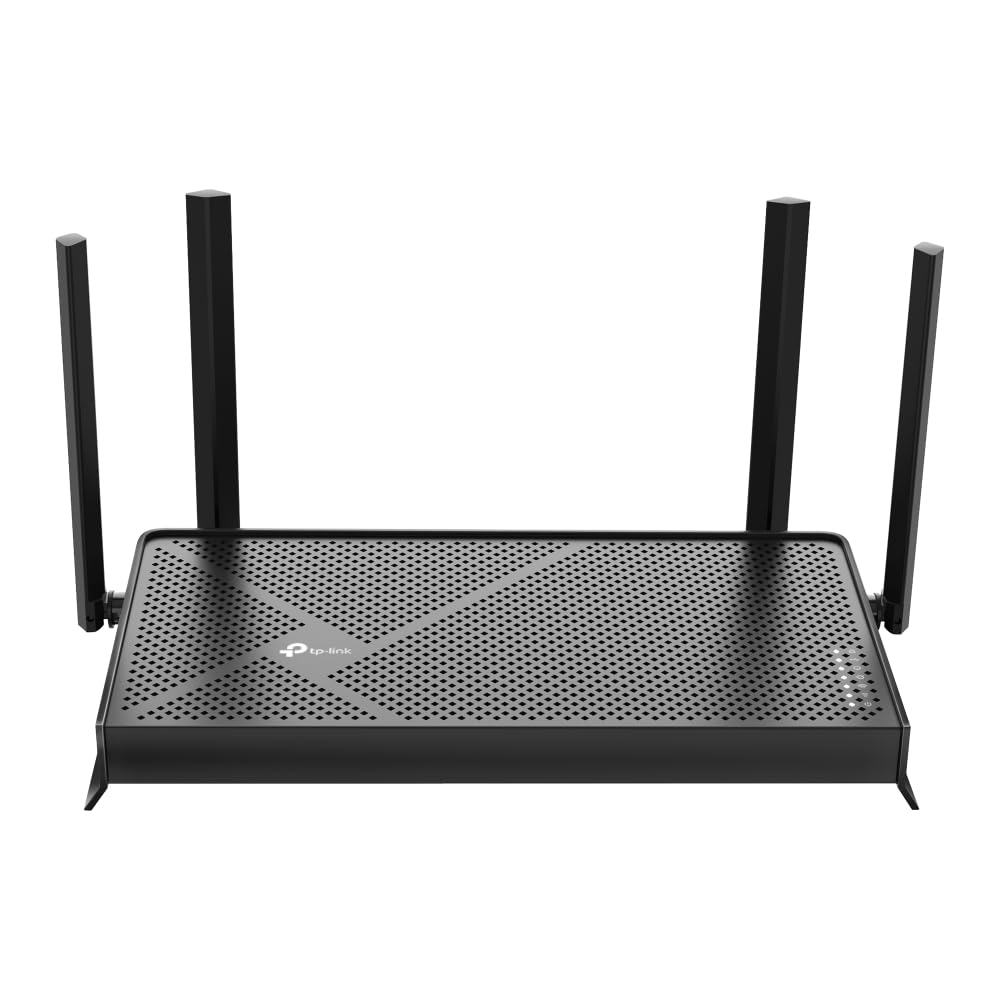
Read Amazon ReviewsTP-Link Archer BE230
Choose the BE230 if Wi-Fi 7 and two 2.5G ports matter more than a 6 GHz band; choose the AXE75 if tri-band Wi-Fi 6E and 6 GHz support are the priority.
- The Archer BE230 is a dual-band Wi-Fi 7 router with two 2.5G ports and Multi-Link Operation; its dual-band design does not include 6 GHz.
- The Archer AXE75 provides three Wi-Fi bands, including 6 GHz, and up to 5400 Mbps aggregate Wi-Fi rates.
Computer Routers alternative
500+ ratings
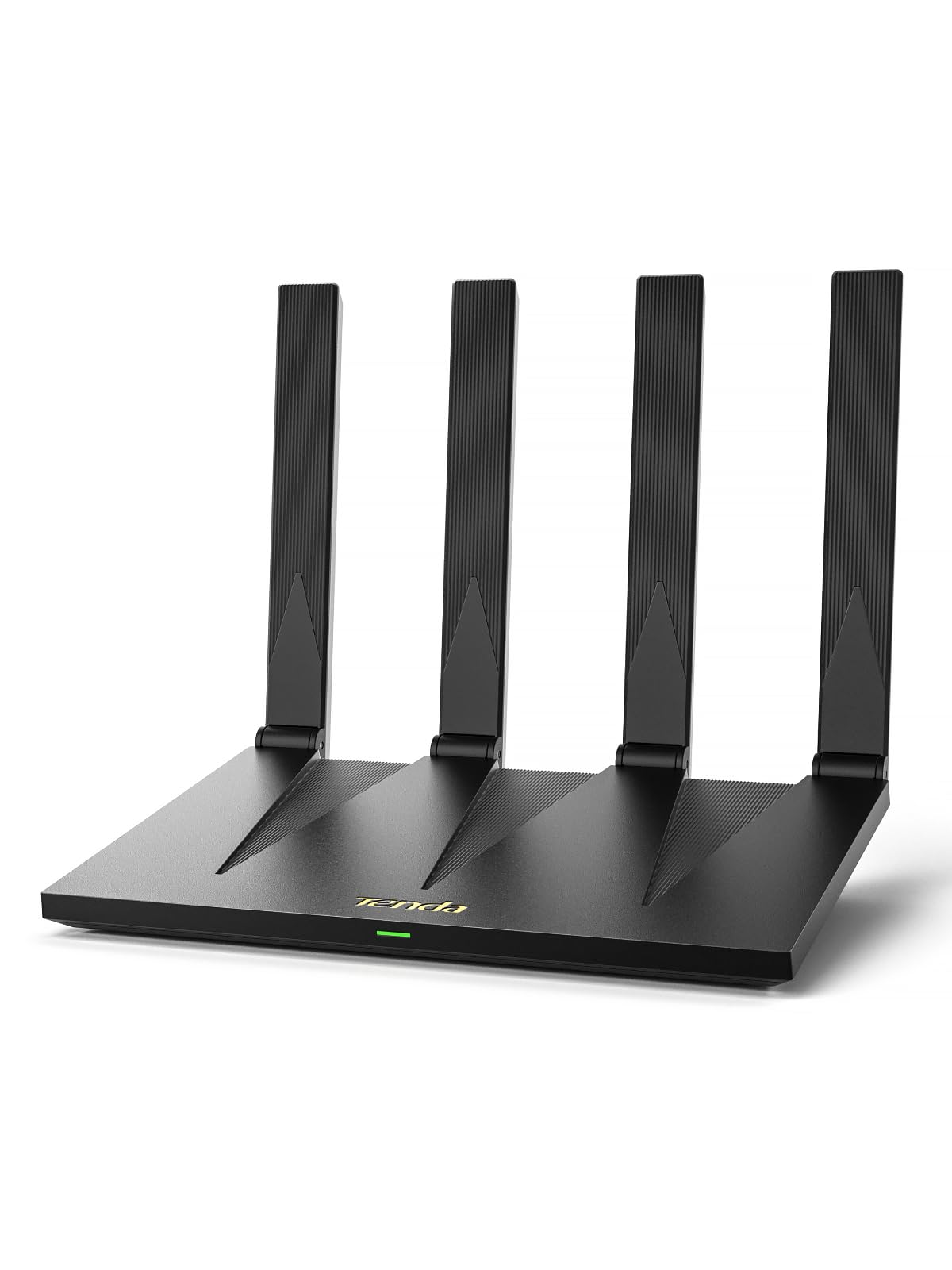
Read Amazon ReviewsTenda RX12 Pro V3.0
Choose the Tenda if a dual-band Wi-Fi 6 setup and four full Gigabit ports suit your network; choose the AXE75 when the additional 6 GHz band and tri-band operation are more useful.
- The Tenda RX12 Pro V3.0 is a dual-band Wi-Fi 6 router with rates up to 2402 Mbps on 5 GHz and 574 Mbps on 2.4 GHz, plus four full Gigabit ports.
- The Archer AXE75 pairs tri-band Wi-Fi 6E with a 6 GHz band and up to 5400 Mbps aggregate Wi-Fi rates.
Is Archer AXE75 Worth It?
The TP-Link Archer AXE75 is worth considering if you want tri-band Wi-Fi 6E, expect to use the 6 GHz band with compatible devices, and value built-in VPN and HomeShield controls.
Its appeal rests on wireless flexibility and network-management features rather than any single promised real-world speed.
Buy it when those features match your devices and you are comfortable using a separate modem for most ISP setups.
If 6 GHz will go unused or you need a built-in modem, look elsewhere; the AXE75 is best matched to buyers who can use its three-band design and plan their equipment around it.
Your review at a glance
5,000+ ratings
Read Amazon ReviewsTP-Link Archer AXE75
A tri-band router to consider when 6 GHz access, VPN options and room to connect many devices matter more than a newer Wi-Fi generation.
- Tri-band Wi-Fi 6E with 6 GHz, 5 GHz and 2.4 GHz bands; combined Wi-Fi rates are up to 5400 Mbps.
- The 6 GHz band is rated at 2402 Mbps, as is the 5 GHz band; 2.4 GHz is rated at 574 Mbps.
- A 1.0 GHz dual-core CPU and 512 MB of high-speed memory power the router.
- OFDMA and tri-band operation are designed to increase capacity for simultaneous transmission to more devices.