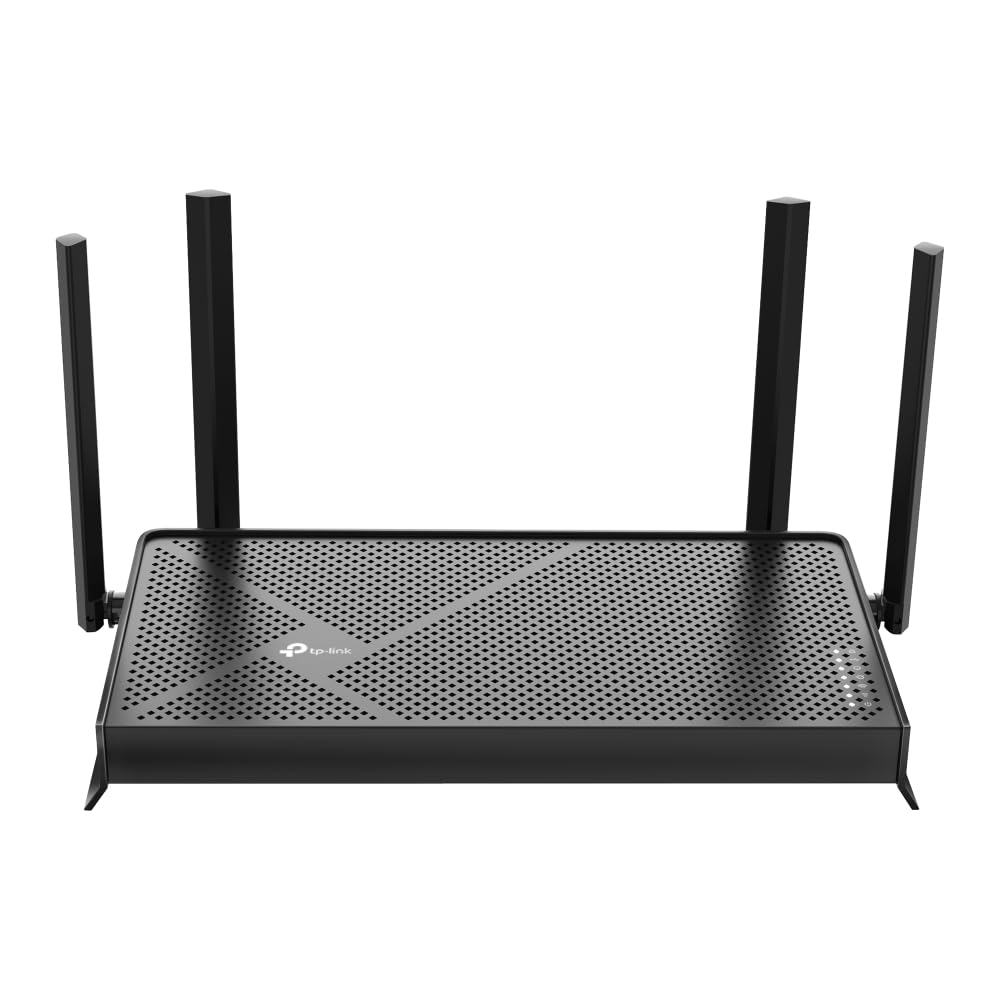
This tp link be3600 review looks at the Archer BE230, a dual-band Wi-Fi 7 router that pairs multi-gig wired connectivity with app-based setup and expandable EasyMesh coverage.
It may suit households ready for newer Wi-Fi features that do not need a 6 GHz band.
Archer BE230 Review Summary
The quick verdict
1,000+ ratings
Read Amazon ReviewsTP-Link Archer BE230
A fit for homes seeking Wi-Fi 7, multi-gig wired ports, and app-managed coverage for up to 60 devices.
- Dual-band Wi-Fi 7 with maximum listed speeds of up to 2,882 Mbps on 5 GHz and 688 Mbps on 2.4 GHz; it does not support 6 GHz.
- Wi-Fi 7 capabilities include Multi-Link Operation, Multi-RUs, and 4K-QAM.
- Wired connections include one 2.5 Gbps WAN/LAN port, one 2.5 Gbps LAN port, and three 1 Gbps LAN ports.
- Four internal antennas and beamforming support a listed coverage area of up to 2,000 square feet and up to 60 devices.

Pros
- Wi-Fi 7 features provide a newer wireless standard for compatible devices.
- Two 2.5 Gbps ports give the router more wired flexibility than a gigabit-only layout.
Consider before buying
- The dual-band design has no 6 GHz band, which may matter to buyers seeking tri-band Wi-Fi 6E or Wi-Fi 7.
- The listed coverage is up to 2,000 square feet; homes with difficult layouts or distant rooms may need an EasyMesh-compatible addition.
Read the full review summary
The Archer BE230 combines Wi-Fi 7 features such as Multi-Link Operation, Multi-RUs, and 4K-QAM with rated top speeds of up to 2,882 Mbps on 5 GHz and 688 Mbps on 2.4 GHz.
Its two 2.5 Gbps ports and three 1 Gbps LAN ports give it a useful wired foundation for a faster internet plan and several Ethernet devices.
TP-Link lists coverage up to 2,000 square feet and support for up to 60 devices, with four internal antennas and beamforming.
Those figures make it a plausible single-router choice for a moderate-size home, while EasyMesh support gives buyers an expansion path if one unit does not reach every room.
It is a dual-band design, so buyers who specifically want 6 GHz should look elsewhere.
The buying factors
Archer BE230 Scorecard
Editorial scores reflect listed features and buyer fit; they are not laboratory measurements or customer ratings.
Wi-Fi 7 feature set
Includes Multi-Link Operation, Multi-RUs, and 4K-QAM, though its dual-band design does not include 6 GHz.
Wired connectivity
Two 2.5 Gbps ports plus three 1 Gbps LAN ports offer flexible multi-gig and standard Ethernet connections.
Coverage potential
Up to 2,000 square feet is a useful stated target, with beamforming and EasyMesh support; real reach depends on the home's layout.
Device capacity
The design is listed for up to 60 devices, a reasonable ceiling for many connected households.
Setup and management
The Tether app handles setup, network management, and firmware updates.
Smart-home controls
HomeShield, voice-assistant compatibility, and a private IoT network feature add useful household controls.
Key Features and Specifications of Archer BE230
- Dual-band Wi-Fi 7 with maximum listed speeds of up to 2,882 Mbps on 5 GHz and 688 Mbps on 2.4 GHz; it does not support 6 GHz.
- Wi-Fi 7 capabilities include Multi-Link Operation, Multi-RUs, and 4K-QAM.
- Wired connections include one 2.5 Gbps WAN/LAN port, one 2.5 Gbps LAN port, and three 1 Gbps LAN ports.
- Four internal antennas and beamforming support a listed coverage area of up to 2,000 square feet and up to 60 devices.
- EasyMesh compatibility allows pairing with compatible routers and range extenders for broader home coverage.
- Tether app setup and management includes firmware updates; the router also works with Amazon Alexa and Google Assistant.
- HomeShield features include network protection, parental controls, and IoT security; a separate modem is required.
Pros and Cons of Archer BE230
Pros
- Wi-Fi 7 features provide a newer wireless standard for compatible devices.
- Two 2.5 Gbps ports give the router more wired flexibility than a gigabit-only layout.
- EasyMesh support offers a route to extending coverage across a home.
- Tether app management and voice-assistant compatibility make common control tasks accessible.
Consider before buying
- The dual-band design has no 6 GHz band, which may matter to buyers seeking tri-band Wi-Fi 6E or Wi-Fi 7.
- The listed coverage is up to 2,000 square feet; homes with difficult layouts or distant rooms may need an EasyMesh-compatible addition.
- Three of the five Ethernet ports are 1 Gbps, so check whether your wired devices or internet plan would benefit from more multi-gig connections.
Who Should Buy Archer BE230?
Good fit
Consider the Archer BE230 if you want to move to Wi-Fi 7 and also need multi-gig wired connections for a modem, desktop, media device, or network storage.
Its mix of two 2.5 Gbps ports and three gigabit LAN ports can accommodate a combination of faster and standard Ethernet devices.
It is also worth considering for a moderate-size home where a single router may cover the main living areas.
The stated coverage and device limits provide a planning reference, while EasyMesh gives you a way to extend the network if your layout has dead zones.
Check where the router can sit and whether an additional compatible unit fits your budget if coverage is uncertain.
The Tether app, firmware management, HomeShield features, and voice-assistant support round out a convenient home-network package. Remember to account for a separate modem if your internet provider requires one.
Who should skip it
Skip this model if access to a 6 GHz band is a priority. Its Wi-Fi 7 label does not mean it is tri-band: the Archer BE230 uses 2.4 GHz and 5 GHz only.
Look for a different configuration if you need several multi-gig wired LAN connections or need to cover a large, complex home with one device.
Compare the port speeds and coverage approach against your plan, layout, and wired equipment before choosing.
How the Archer BE230 fits a home network
Wi-Fi 7 without 6 GHz
The router brings several Wi-Fi 7 techniques, including Multi-Link Operation, Multi-RUs, and 4K-QAM, but stays with two frequency bands. That combination can appeal to buyers who want newer Wi-Fi features without making 6 GHz a requirement.
The maximum listed wireless speeds are theoretical ceilings; distance, walls, and other conditions affect actual connections.
Ports for mixed wired devices
The two 2.5 Gbps ports are the key wired advantage. One supports WAN/LAN use, while the other is LAN; three additional gigabit LAN ports cover conventional Ethernet devices.
Buyers with a multi-gig internet plan should confirm which port will connect to the modem and whether their wired devices need faster LAN speeds.
Coverage and expansion
TP-Link gives an upper coverage figure of 2,000 square feet and a capacity of up to 60 devices, supported by four internal antennas and beamforming.
Those numbers can help with initial planning, but room shape, construction, router placement, and neighboring networks can change the result.
EasyMesh compatibility is useful if you want to add a compatible router or extender to reach farther parts of the home.
Everyday administration
The Tether app is intended for setup and ongoing management, including firmware updates. HomeShield adds network protection, parental controls, and IoT security features, while Alexa and Google Assistant support offers voice control.
Buyers who rely on a particular security or parental-control feature should check its available controls before making it central to their setup.
Alternatives to Archer BE230
Computer Routers alternative
5,000+ ratings
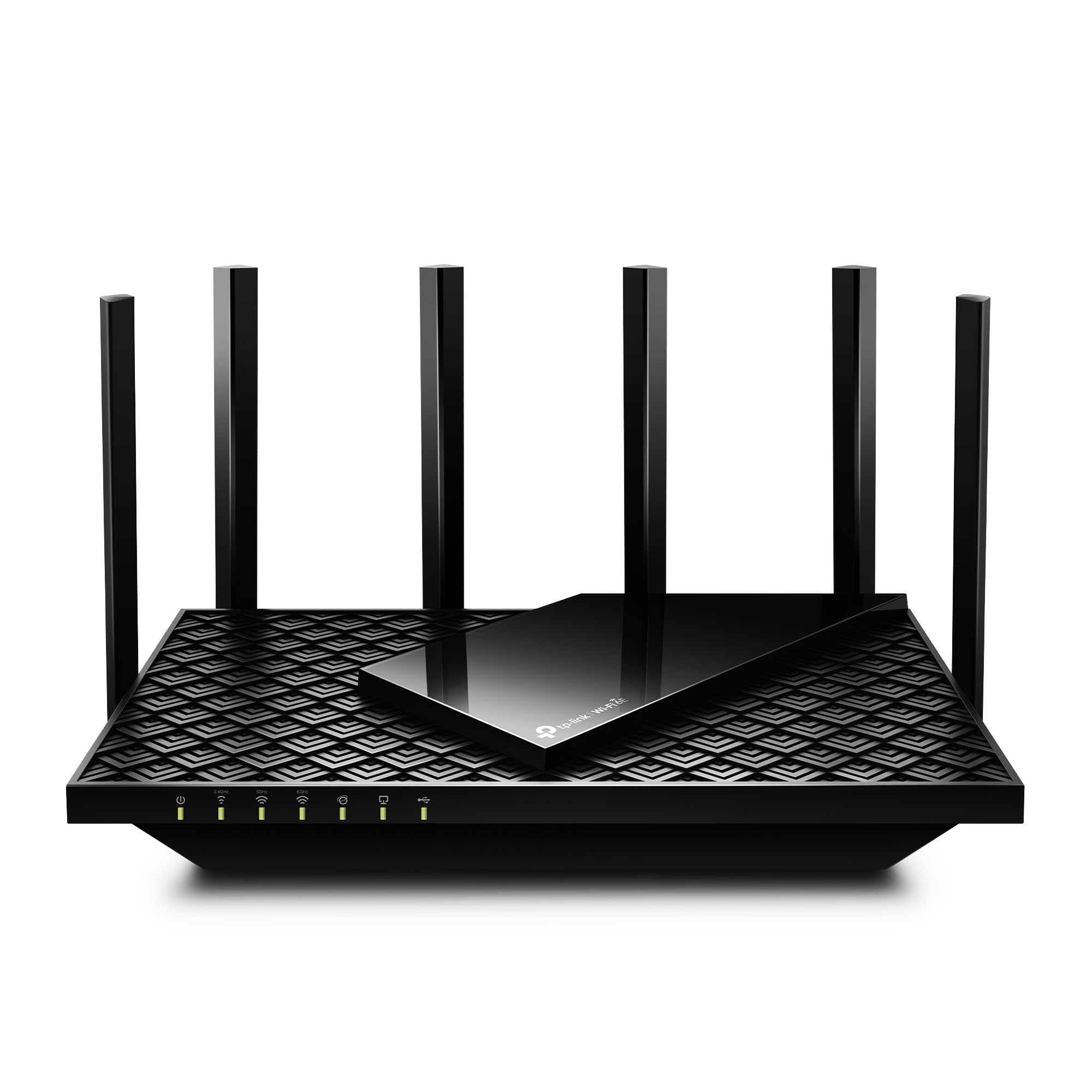
Read Amazon ReviewsTP-Link Archer AXE75
Choose the BE230 if Wi-Fi 7 features and two 2.5 Gbps ports matter more than 6 GHz access.
The AXE75 is a better fit if you specifically want a tri-band 6E router with a 6 GHz band and OneMesh expansion.
- The Archer AXE75 is a tri-band Wi-Fi 6E router with a 6 GHz band, up to 5,400 Mbps combined listed Wi-Fi speed, and a 2.5 Gbps WAN port.
- It supports OneMesh and VPN client and server functions.
- The Archer BE230 is a dual-band Wi-Fi 7 router with two 2.5 Gbps ports and no 6 GHz band.
Computer Routers alternative
600+ ratings
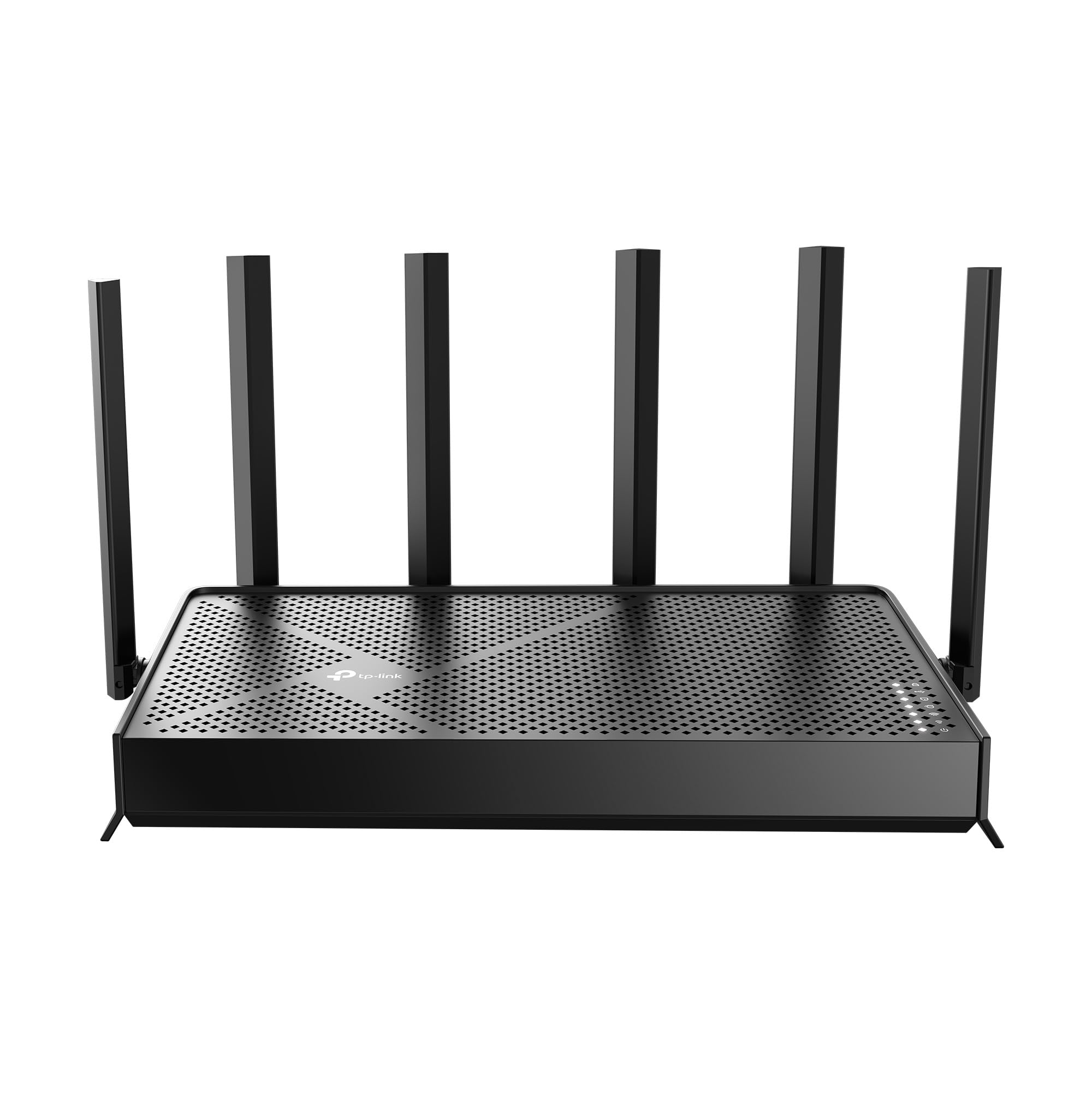
Read Amazon ReviewsTP-Link Archer BE600
Choose the BE230 for a simpler dual-band setup with two multi-gig ports. The BE600 better suits buyers who want a 6 GHz band, a higher stated coverage and device capacity, and more multi-gig wired connections.
- The Archer BE600 is a tri-band Wi-Fi 7 router with a 6 GHz band, listed coverage up to 2,600 square feet for up to 120 devices, and one 10 Gbps, one 2.5 Gbps, and three 2.5 Gbps ports.
- The Archer BE230 is dual-band, with listed coverage up to 2,000 square feet and two 2.5 Gbps ports.
Is Archer BE230 Worth It?
The TP-Link Archer BE230 is worth considering if you want Wi-Fi 7 features, two 2.5 Gbps connections, app-based setup, and the option to expand with EasyMesh.
Its mix of multi-gig and gigabit ports is practical for households combining newer networking equipment with ordinary wired devices.
The main tradeoff is its dual-band design: there is no 6 GHz band, and the listed coverage is an upper limit rather than a guarantee for every floor plan.
Check your need for 6 GHz, your wired port speeds, and your home's layout; if those align with this router, it is a sensible candidate for a moderate-size connected home.
Your review at a glance
1,000+ ratings
Read Amazon ReviewsTP-Link Archer BE230
A fit for homes seeking Wi-Fi 7, multi-gig wired ports, and app-managed coverage for up to 60 devices.
- Dual-band Wi-Fi 7 with maximum listed speeds of up to 2,882 Mbps on 5 GHz and 688 Mbps on 2.4 GHz; it does not support 6 GHz.
- Wi-Fi 7 capabilities include Multi-Link Operation, Multi-RUs, and 4K-QAM.
- Wired connections include one 2.5 Gbps WAN/LAN port, one 2.5 Gbps LAN port, and three 1 Gbps LAN ports.
- Four internal antennas and beamforming support a listed coverage area of up to 2,000 square feet and up to 60 devices.